
For Australian homeowners planning a bathroom renovation, the choice between modern bathroom designs often comes down to two popular options: the sleek wet room and the stylish walk-in shower. While these terms are sometimes used interchangeably in casual conversation, they represent fundamentally different approaches to bathroom design, installation, and daily use. Understanding the core differences between a wet room and a walk-in shower is crucial for making an informed decision that suits your budget, lifestyle, and home. This comprehensive guide will dissect every aspect, from cost and waterproofing to design and practicality, specifically for the Australian context, helping you refine your search and choose the perfect bathroom solution.

Walk-In Shower: A Popular Australian Bathroom Choice
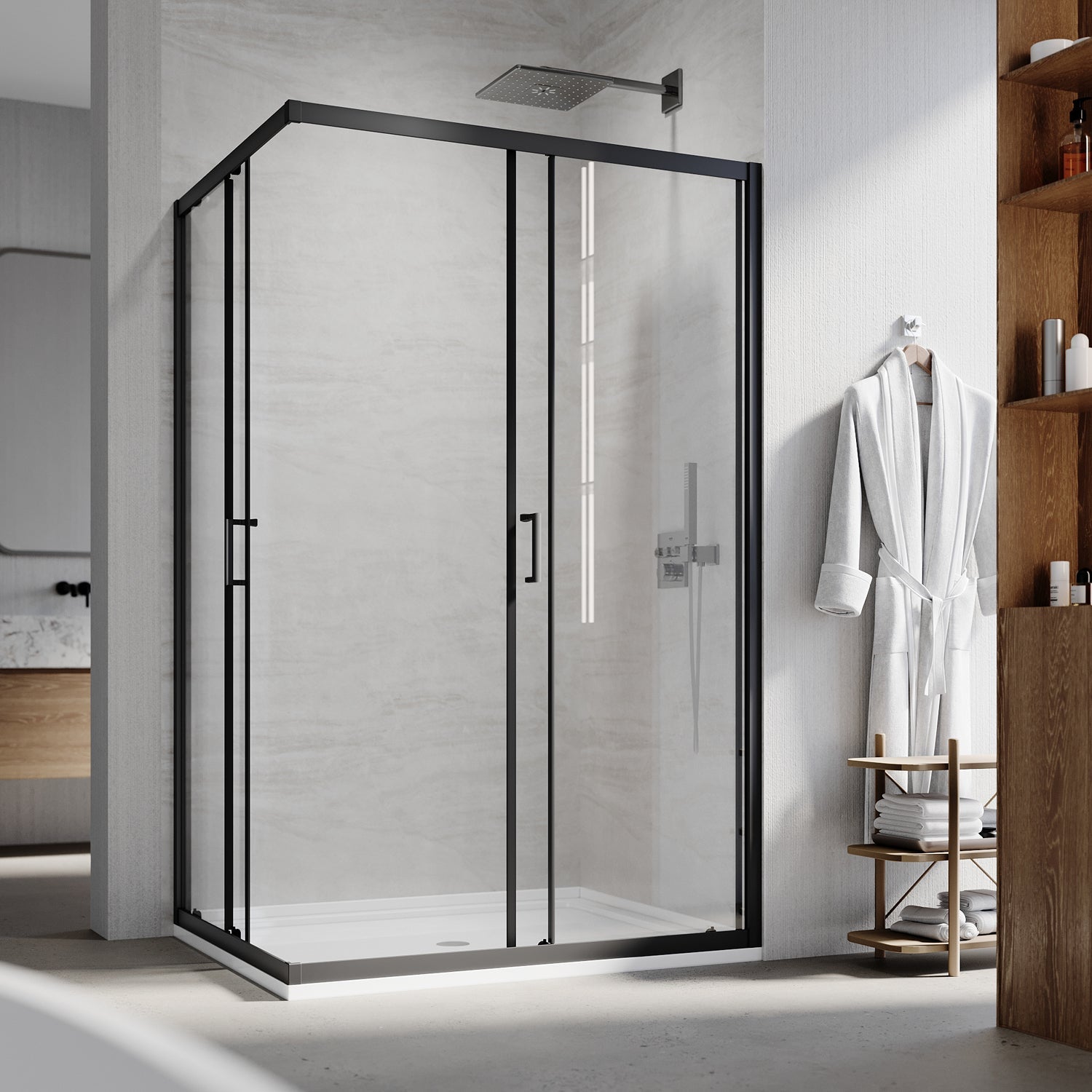
Let’s begin by defining the more common of the two: the walk-in shower. At its core, a walk-in shower is a dedicated shower area that is either level with the main bathroom floor or features a very low threshold. Its defining characteristic is that it remains a contained and defined zone within the larger bathroom.
A walk-in shower typically includes a dedicated shower base. This can be a pre-formed shower tray or a custom-tiled base built with a gentle slope (known as a fall or gradient) towards a central or linear drain. To manage water spray, it is enclosed by at least one glass shower screen or panel—options range from fully frameless shower screens for a minimalist look to semi-frameless designs. The key takeaway is that the walk-in shower successfully contains water within its boundaries, keeping the rest of the bathroom floor, vanity, and toilet area dry. This design offers a clean, open feel while maintaining practical separation, making it a highly versatile choice for most Australian bathroom layouts, from compact ensuites to spacious family bathrooms.

What is a Wet Room? The Ultimate in Open-Plan Bathroom Design
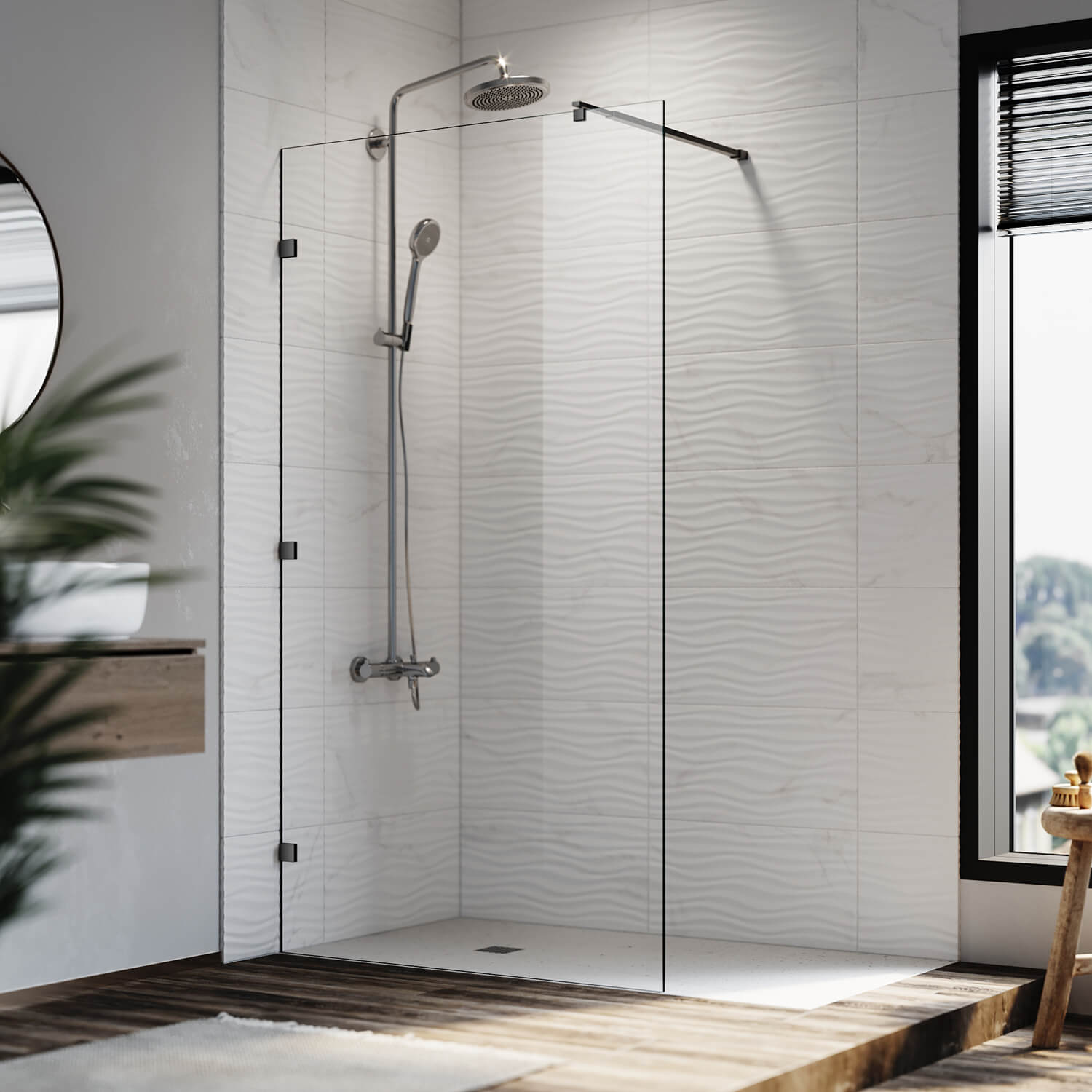
In contrast, a wet room represents a more holistic and ambitious approach. A wet room is a fully waterproofed (or tanked) bathroom where the entire space functions as the shower enclosure. There is no separation; the shower, floor, basin, and toilet coexist in one continuous, open-plan area.
The most notable feature of a true wet room is its barrier-free and level access design. There is no shower tray. Instead, the entire floor is seamlessly tiled and engineered with a subtle slope that channels all water towards a linear drain or a central floor drain. While some wet rooms may incorporate a single, minimal glass screen to mitigate splash, many are completely open. This requires exhaustive bathroom waterproofing across the entire floor and up the walls to a specified height. The result is a luxurious, spa-like aesthetic that exudes modernity and offers unparalleled accessibility. For those seeking a minimalist bathroom or needing solutions for aging in place, the wet room presents a compelling, though complex, option.

Wet Room vs Walk-In Shower: The Critical Differences Explained
To truly grasp which solution is better for your home, we must compare them directly across several fundamental categories.
-
Waterproofing & Structure: This is the most significant technical difference. A walk-in shower requires localised waterproofing. This means the shower waterproofing typically extends across the shower base and up the adjacent walls to a height of at least 1800mm, as per Australian standards. The rest of the bathroom floor may have a different, less intensive water-resistant underlay. A wet room, however, demands a comprehensive waterproofing membrane (tanking) across the entire floor and all walls up to a minimum height. This is a non-negotiable and costly requirement to prevent leaks.
-
Flooring & Drainage: In a walk-in shower, the drainage is confined to the shower area. The floor outside the shower is level. In a wet room, the floor gradient is a critical design element. The entire floor must be expertly sloped (often at a 1:80 to 1:100 fall) towards the drain, which is usually a discreet linear channel. This ensures water flows away efficiently without pooling.
-
Enclosure & Barriers: A walk-in shower is defined by its glass shower screen or enclosure. A wet room is defined by the absence of one, offering a truly open shower experience. This is the visual difference that most people immediately recognise.
-
Space & Layout: Wet rooms are masters of perception. By removing visual barriers, they can make a small bathroom feel significantly more spacious and open. Walk-in showers, while airy, still create a visual and physical division between the wet and dry zones of the bathroom.
-
Water Containment: Simply put, walk-in showers are designed to contain water within a specific area. Wet rooms are designed to manage water flow across the entire space, directing it to the drain.
Wet Room vs. Walk-In Shower: Pros and Cons at a Glance
| Feature | Wet Room | Walk-In Shower |
|---|---|---|
| Pros (Advantages) |
• Unmatched Accessibility: Fully barrier-free, ideal for aging in place or mobility needs. • Luxurious Aesthetic: Creates a high-end, modern, spa-like feel. • Maximises Space: Makes small bathrooms feel larger with open sightlines. • Easy Floor Cleaning: No shower tray lip; entire floor is simple to mop. |
• Cost-Effective: Lower installation cost due to less extensive waterproofing. • Superior Water Containment: Effectively keeps water and steam within the shower area. • Easier to Retrofit: More straightforward for renovations in existing homes. • Design Flexibility: Wide options for niches, benches, screens, and showerheads. |
| Cons (Disadvantages) |
• High Installation Cost: Significantly more expensive due to tanking and specialised drainage. • Complex Installation: Requires perfect execution by a licensed waterproofer to prevent leaks. • Everything Gets Wet: Poor design can lead to damp towels and surfaces; needs excellent ventilation. • Potential for Cold Draughts: The large, open space can feel cooler. |
• Visible Threshold: Even a low curb can be a slight trip hazard and isn't fully wheelchair accessible. |

Wet Room or Walk-In Shower? How to Choose for Your Australian Home
Your decision should be guided by your budget, bathroom layout, and long-term needs.
Choose a Wet Room if:
-
You are undertaking a full, high-end bathroom renovation or new build with a generous budget.
-
You have a small bathroom and your primary goal is to create an illusion of space.
-
Accessibility is a key concern—you are planning for aging in place or have current mobility requirements.
-
You desire a seamless, contemporary look and love the concept of an open-plan bathroom.
-
You can invest in premium slip-resistant tiles and a powerful exhaust fan for ventilation.
Choose a Walk-In Shower if:
-
You want a stylish, modern update without completely gutting your existing bathroom.
-
You have a standard or larger bathroom and prefer defined dry zones and wet zones.
-
Your bathroom remodel cost needs to be more moderate and predictable.
-
You want to easily control water spray and keep bathroom accessories dry.
-
You are considering a DIY-assisted project or a simpler renovation with a trusted builder.
Conclusion: Making Your Informed Choice
The journey to your perfect bathroom boils down to understanding one core concept: containment versus integration. The walk-in shower offers a contained, practical, and stylish wet area that maintains clear zones within your bathroom. It’s a versatile champion for most Australian homes, delivering a modern upgrade with predictable results and manageable installation costs. The wet room, in contrast, provides a fully integrated, luxurious, and accessible experience where the entire space is part of the shower. It’s a statement of contemporary design and forward-thinking functionality.
Ready to Explore Your Dream Wet Room?
If the seamless, luxurious appeal of a wet room has captured your imagination, transforming that vision into a reality requires expert planning and execution. For specialised wet room solutions tailored to Australian homes, consider consulting with the professionals. Elegant Showers offers expert guidance and professional consultation to help you navigate the complexities of design, waterproofing, and installation. Visit our online shop to explore their portfolio and discover how a bespoke wet room can elevate your bathroom from ordinary to exceptional.