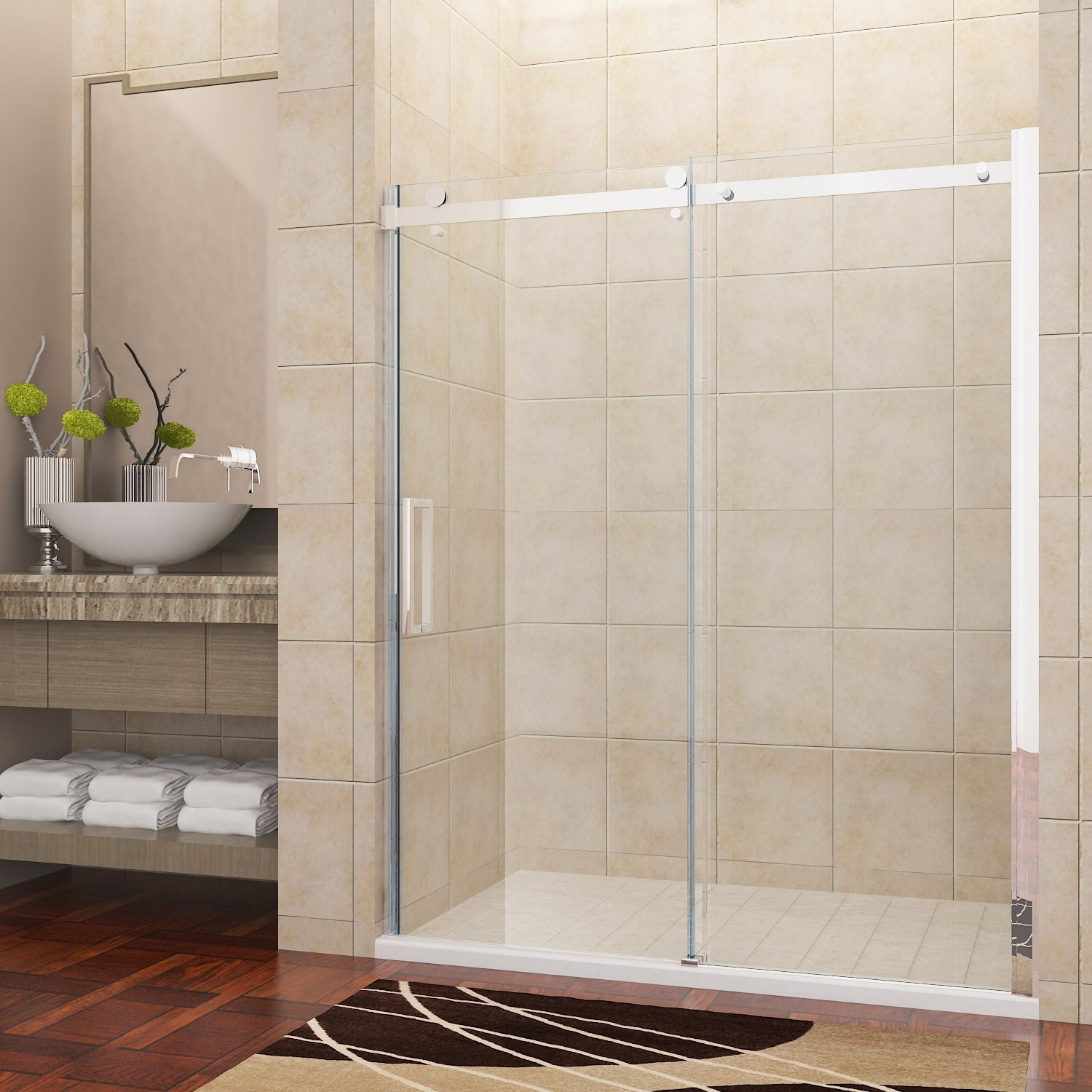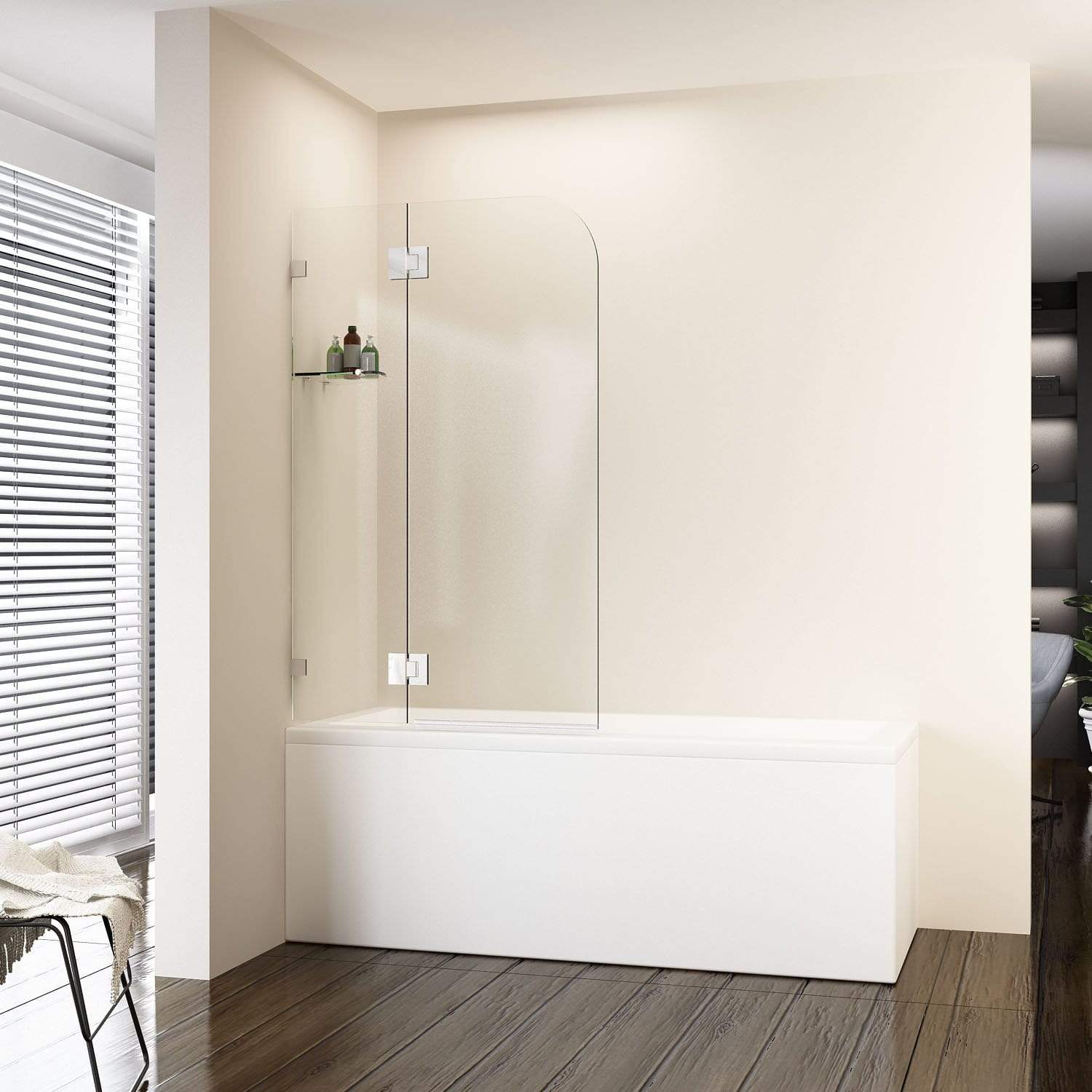

For decades, the humble shower-over-bath has been a mainstay in Australian bathrooms. But as modern design trends lean toward spacious walk-in showers and wet rooms, many homeowners wonder: is this space-saving classic still worth considering in 2026? In compact apartments, older suburban homes, and busy family bathrooms, the bathtub shower combo offers a unique blend of functionality and efficiency. This article explores the pros of a combined bath and shower, including maximising space in small Australian bathrooms and its cost-effectiveness. We will also address the cons, such as water splashing and the need to step over the bath edge – a critical accessibility consideration according to top Australian search results. By the end, you will know whether this versatile solution suits your next bathroom renovation.

The Enduring Appeal of the Shower-Over-Bath in Australia
The enduring appeal of the shower-over-bath in Australia is rooted in one undeniable reality: space is often at a premium. For millions of Australian homeowners – whether in a compact apartment in Sydney, a heritage terrace in Melbourne, or a suburban family home in Perth – the bathtub shower combo represents a brilliant fusion of practicality and comfort. But beyond simply fitting two functions into one footprint, the combined bath and shower offers distinct financial and lifestyle advantages that continue to make it a standout choice in 2026.
Maximising Limited Square Metres
The single greatest advantage of a shower-over-bath is its ability to maximise space in small bathrooms. Many Australian homes – particularly units, terraces, and older Queenslanders – have bathrooms under four square metres. In such tight layouts, separating a shower and bath is often impossible. By combining both functions into one footprint, you free up valuable floor space for a larger vanity, storage cabinetry, or simply better circulation.
This configuration creates a single, efficient “wet zone” where waterproofing, drainage, and tiling are concentrated. As Beaumont Tiles notes, an alcove bath with an overhead shower can fit neatly into a 1500mm x 700mm recess, leaving the rest of the room open. ABI Interiors highlights that back-to-wall baths with a fixed glass screen offer a streamlined look that suits modern Japandi minimalism and Scandinavian-inspired designs. For homeowners renovating a compact ensuite or a main bathroom in a 1970s brick veneer, the shower bath combo is often the only practical way to retain a bathtub without sacrificing daily comfort.
The Cost-Effective Advantage
Beyond space savings, the combined bath and shower delivers real financial benefits. Installing a separate walk-in shower and a freestanding bath requires two waterproofing zones, two drainage points, and significantly more tiling and labour. In contrast, a shower-over-bath uses a single waterproofed area, reducing both material and trade costs.
According to Refresh Renovations, a mid-range bathroom renovation featuring a shower-over-bath typically costs between $15,000 and $28,000 in Australian capital cities. A comparable renovation with separate walk-in shower and freestanding bath often exceeds $30,000, with premium finishes pushing the price toward $45,000. Joyce Kitchens adds that choosing an acrylic bath over a steel enamel model can further reduce costs without sacrificing durability. Additionally, because the plumbing rough-in is concentrated in one wall, you save on pipework and labour hours. For budget-conscious families or investors updating a rental property, this cost-effective approach allows you to allocate savings to high-impact items like frameless glass screens, rain showerheads, or WELS-rated tapware.

The Downside: Addressing the Cons of a Shower Bath Combo
For all its space-saving and cost-effective advantages, the shower-over-bath is not without its challenges. Australian homeowners considering this bathtub shower combo must honestly weigh three significant drawbacks: the persistent risk of water splashing, the accessibility hurdle posed by stepping over the bath edge, and the nuanced question of resale value in Australia’s diverse property market. Understanding these cons – and how to mitigate them – is essential before committing to any bathroom renovation.
Water Splashing and Containment (150 words)
The most common complaint about shower-over-bath setups is water splashing onto the bathroom floor. A shower curtain – while cheap and flexible – often fails to contain water, leading to pooling, mould and mildew, and slippery surfaces. The solution, according to Kwikglass and House Digest, is a high-quality shower screen. Semi-frameless or frameless glass screens with a bottom seal and magnetic closing mechanism effectively block water escape. Fixed panels (without a moving door) are even better, provided you leave enough clearance for entry and exit. Safety glass (AS/NZS 2208 compliant) is mandatory in Australia. Additionally, ensuring your bath has a slight fall to waste and that grout and silicone are intact prevents leaks behind the screen. Regular cleaning of seals and tracks keeps the system performing for years.
The Accessibility Challenge
The primary drawback of any shower-over-bath is the need to step over the bath edge. For people with mobility issues, the elderly, or those recovering from surgery, lifting a leg 300–400mm can be dangerous and painful. ABI Interiors warns that this barrier can turn a bathroom into an exclusion zone. Under the National Construction Code (NCC) and Livable Housing Design Standard, new homes must include at least one step-free, hobless shower with a slip-resistant floor. Consequently, a home with only a shower-over-bath may fail to meet accessibility requirements and could limit resale options to younger buyers.
However, existing homes can retrofit solutions. Grab rails mounted adjacent to the bath provide stability. A bath step (non-slip, height 150–200mm) reduces the vertical lift. Transfer chairs or swivel seats allow a person to sit and swing legs over. Low-hob baths – with an entry step of only 100mm – are available from suppliers like Kohler and Caroma. For homeowners planning to age in place, combining a shower-over-bath with a separate walk-in shower in a two-bathroom home offers the best of both worlds.
Resale Value: Bath or No Bath?
Real estate opinions are divided. realestate.com.au and News.com.au report that removing the only bathtub from a family-oriented suburb can reduce appeal to parents with young children. Conversely, in inner-city apartments where space is ultra-tight, a spacious walk-in shower may be preferred. Whirlpool forums discussions reveal that many buyers see a shower-over-bath as a practical compromise – not a dealbreaker, but rarely a selling point. If your home has only one bathroom and you plan to sell within five years, retaining a bath in some form (even as a combo) is generally safer.
Design, Installation & Compliance: The Australian Perspective
Designing and installing a shower-over-bath that is both functional and legally compliant requires careful attention to layout, material selection, and a thorough understanding of Australia’s strict building codes. Cutting corners on these foundational elements can lead to water damage, safety hazards, failed inspections, and costly rectification work.
Shower Over Bath Layouts
Three main layouts dominate the Australian market. Alcove baths fit between three walls – ideal for narrow rooms. Back-to-wall baths sit against one long wall with a tiled deck, offering a more open feel. Corner baths (P-shaped or neo-angle) maximise diagonal space but are less common today. Minimum clearances: allow at least 600mm in front of the bath for comfortable drying and movement. Beaumont Tiles recommends a footprint of at least 1500mm x 750mm for a usable shower-over-bath. For the shower area, the overhead rose should be positioned over the centre of the bath, not the edge, to prevent spray directly onto the screen.
Critical Australian Standards
Compliance is non-negotiable. Waterproofing must meet AS 3740: walls must be waterproofed to 1800mm above the finished floor level in the shower zone, and all junctions (floor-wall, wall-wall) require reinforcing with waterproof tape and sealant. Safety glass (AS/NZS 2208) is mandatory for any shower screen – look for the permanent BSI or AGGA stamp. Electrical installations follow AS/NZS 3000: powerpoints must be at least 1500mm from the bath edge (or outside the designated zone). HIA guidelines stress that only a licensed tradesperson can certify waterproofing and electrical work. Failing to comply can void home insurance and lead to costly rectification.
Choosing Materials for Australian Conditions
Acrylic baths are warm to the touch, lightweight, and affordable – ideal for DIY-friendly renovations. Steel enamel baths are heavier, more durable, and retain heat longer but can feel cold and chip if dropped. For flooring, select porcelain tiles with a slip-resistant rating of P3 or P4 (AS 4586). WELS-rated tapware (4 stars or higher) saves water and energy – especially important given Australia’s variable rainfall. Joyce Kitchens recommends avoiding cheap shower curtains and instead investing in a frameless glass screen for longevity and hygiene.
The Final Words
The shower-over-bath is neither a relic nor a trend—it is a proven, practical solution that continues to serve Australian homes well. Its ability to maximise space and deliver cost-effectiveness makes it a smart choice for compact bathrooms, family households, and budget-conscious renovations. However, water splashing and accessibility challenges are real. By investing in a quality frameless glass screen, adhering to Australian Standards, and considering future mobility needs, you can enjoy the best of both worlds. For millions of homeowners, this combo remains not just a smart choice, but the only choice.
To make the most of your shower-over-bath, the right shower screen makes all the difference. Elegant Showers offers a premium range of over-bath shower screens designed to Australian Standards, helping you achieve the perfect balance of style, safety, and functionality. With a strong 4.6/5 rating on Trustpilot and a reputation for delivering high-quality, affordable bathroom products, Elegant Showers has been a trusted choice for Australian homes since 2016. Whether you prefer a sleek frameless over-bath screen, a space-saving curved sliding door, or a custom solution to fit your unique layout, their product range has you covered. Visit https://www.elegantshowers.com.au/ today to explore the latest shower-over-bath ideas and find the perfect screen to transform your bathroom into a space that is both beautiful and practical.