
Few things are as satisfying as a sparkling clean bathroom – and few chores are as frustrating as scrubbing a shower screen that never seems to stay clean. If you’ve ever found yourself on your hands and knees, a toothbrush in hand, trying to dislodge grimy soap scum from the metal tracks of your shower, you know exactly what we mean. The battle between framed and frameless shower screens isn’t just about style; it’s a daily war against grime.
So, when it comes to cleaning, does your choice of shower screen really matter? According to Australian glaziers, cleaning experts, and the top search results across the country, the answer is a resounding yes. Frameless shower screens are universally considered easier to clean than their framed counterparts. The reason comes down to a simple design principle: flat surfaces versus grime‑trapping channels.
In this article, we’ll break down exactly why framed screens are magnets for soap scum and mould, how frameless designs offer a low‑maintenance alternative, and give you a step‑by‑step comparison to help you decide which screen is right for your home.

What are Framed Shower Screens
A framed shower screen consists of glass panels surrounded by a metal frame – usually aluminium – on all sides. The frame provides structural support and houses the rubber seals that keep water inside the shower. While this design has been a staple in Australian bathrooms for decades, it comes with a hidden drawback: channels and crevices. The frame creates a “lip” around the glass, with a bottom track where the door slides and vertical channels that hold the glass in place. These are precisely the areas where water pools, soap settles, and grime takes up permanent residence.

What are Frameless Shower Screens
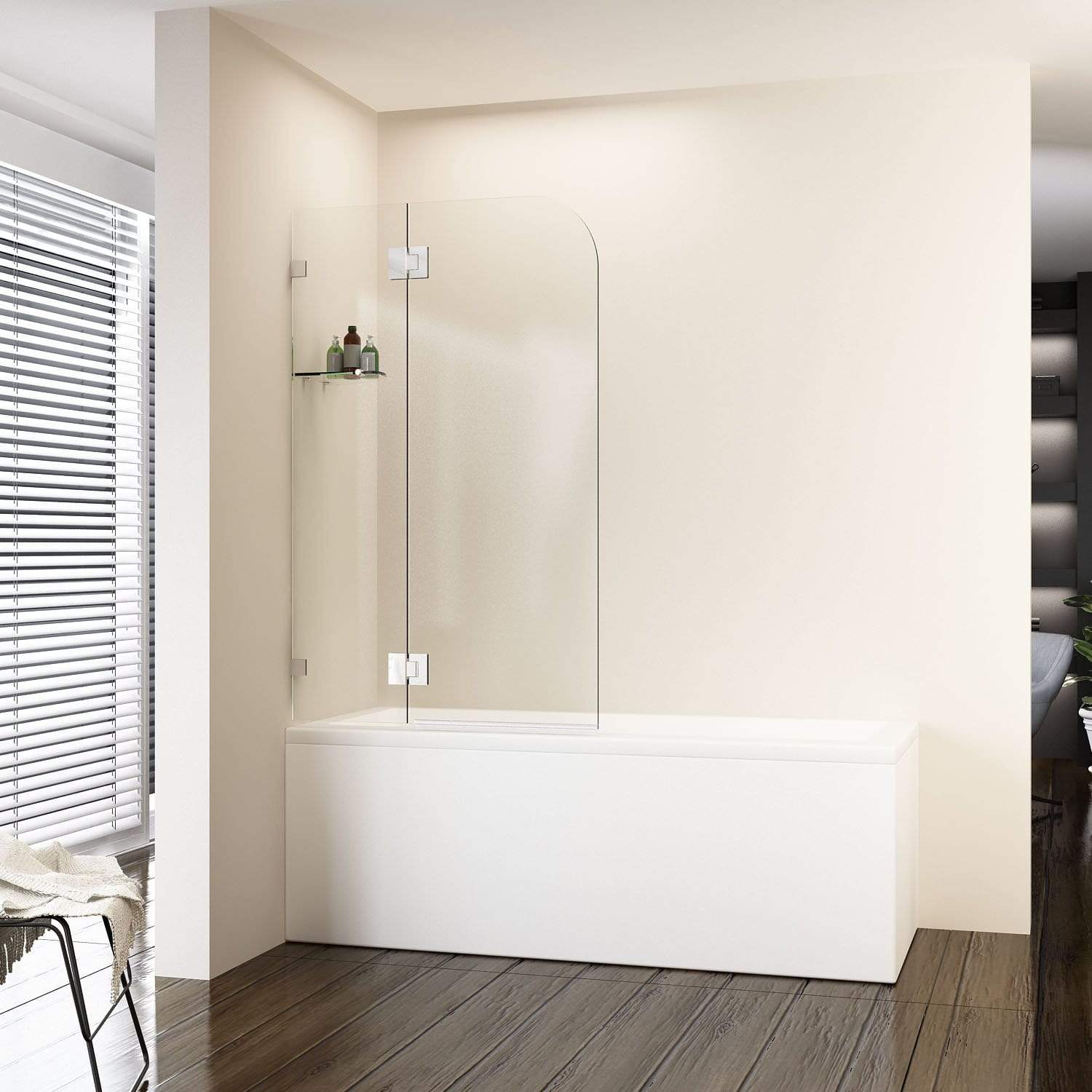
Frameless shower screens, on the other hand, use thicker toughened glass (usually 10mm or 12mm) held together with discreet hinges and brackets. There is no surrounding frame – just large, uninterrupted sheets of glass. The only metal hardware is at the hinges, handle, and sometimes a small bottom support bracket. This design eliminates the channels and tracks, leaving you with flat surfaces that are exposed from edge to edge. It’s this simplicity that makes frameless screens a dream to clean.
Why Framed Screens Are a Magnet for Grime and Soap Scum
If you own a framed shower screen, you’ve probably noticed that no matter how hard you scrub, some areas always seem to stay dirty. Here’s why.
The Problem with Channels and Tracks
The metal frame on a framed screen isn’t just decorative – it creates a network of tiny ledges, corners, and recesses. The bottom track, in particular, is a notorious trap for water. Every time you shower, water runs down the glass, hits the frame, and settles inside the track. As the water evaporates, it leaves behind soap residue, body oils, and minerals from your water supply (especially common in hard‑water areas like Perth and Adelaide). Over time, this builds up into a stubborn, sticky film known as soap scum.
Soap Scum Accumulation
Soap scum doesn’t just sit on the surface – it bonds to both the glass and the metal frame. Because the frame has corners, screw holes, and overlapping joints, it becomes nearly impossible to wipe clean with a simple cloth. You often need a small brush or even an old toothbrush to dig into those crevices. The glass itself also gets coated, but the frame multiplies the cleaning effort.
Mould and Mildew Hotspots
The damp, hidden crevices of a frame are a perfect breeding ground for mould and mildew. Black mould frequently appears along the silicone seals inside the frame channels, and once it takes hold, it can be difficult to eradicate without harsh chemicals. Mould not only looks unsightly but can also trigger allergies and respiratory issues. With a framed screen, you’re essentially providing mould with a protected habitat every time you shower.
The “Scrub with a Toothbrush” Factor
Ask anyone who has deep‑cleaned a framed shower screen, and they’ll tell you about the toothbrush. Because of the tight spaces, you can’t simply wipe – you have to scrub each channel individually, often using a specialised track‑cleaning tool or a stiff‑bristled brush. This makes what should be a quick weekly chore into a lengthy, back‑breaking ordeal.
The Cleaning Advantage of a Frameless Design
Now let’s look at why frameless screens have earned their reputation as the low‑maintenance champion.
The Virtue of Flat Surfaces
A frameless shower screen is essentially one large, uninterrupted plane of glass. There are no ledges for water to cling to and no corners where grime can hide. When you run a squeegee over the glass after a shower, you remove almost all water and soap residue in a single pass. The bottom edge may have a small strip of silicone or a low‑profile bracket, but these are minimal and easy to wipe with a cloth.
No Crevices, No Grime
Because there are no metal channels, water has nowhere to pool. Soap scum and mineral deposits can’t accumulate out of sight. A quick daily wipe prevents buildup entirely, meaning your weekly clean is little more than a spritz and a wipe. This is a game‑changer for anyone who values their time and hates cleaning.
Effortless Daily Maintenance
The ideal routine for a frameless screen takes less than 30 seconds. After your shower:
-
Squeegee the glass from top to bottom.
-
Wipe the bottom edge where water naturally settles.
-
Leave the door open to allow airflow.
That’s it. Many Australian glaziers recommend this simple habit, and homeowners who follow it report that their frameless screens look like new for years with minimal effort.
Resistance to Corrosion
Metal frames, especially in humid bathrooms, are susceptible to corrosion over time. Harsh cleaning chemicals can accelerate this, causing the finish to peel or discolour. Frameless screens eliminate this issue entirely. The glass itself is inert, and the small amount of hardware (hinges, handle) is usually made from high‑grade stainless steel or brass that resists corrosion far better than a full aluminium frame.
Direct Comparison: Cleaning Effort Analysis
To make the differences crystal clear, here’s a side‑by‑side look at how each screen type handles common cleaning tasks.
| Cleaning Task | Framed Shower Screen | Frameless Shower Screen |
|---|---|---|
| Daily Wipe‑Down | Requires wiping frame edges and the channel; water often trapped in bottom track | Quick squeegee of glass; wipe bottom edge; minimal effort |
| Weekly Deep Clean | Spray glass, then scrub frame channels with a brush; detail work required | Spray with vinegar/water, wipe with microfibre cloth, rinse; no detail scrubbing |
| Soap Scum Removal | Builds on both glass and metal frame; extra elbow grease needed in corners | Only on glass; easily removed with mild cleaner or vinegar solution |
| Mould Prevention | High‑risk areas in frame corners and silicone seals; requires vigilant drying and mould‑killing treatments | Minimal risk; open design allows better airflow, reducing mould potential |
| Tools Required | Squeegee, microfibre cloth, toothbrush, dedicated cleaner, sometimes a track‑cleaning tool | Squeegee, microfibre cloth, simple cleaning solution (vinegar/water or mild detergent) |
As the table shows, the cleaning effort for a framed screen is significantly higher across every metric.
Step‑by‑Step Cleaning Routines for Each Shower Screen Type
Knowing why one screen is easier to clean is helpful, but having a clear, practical routine makes all the difference. Below are detailed, step‑by‑step methods for both framed and frameless shower screens. Follow these to keep your shower looking pristine while minimising effort.
How to Clean a Framed Shower Screen
-
Rinse and pre‑clean the glass and frame with warm water to remove loose debris.
-
Apply a cleaning solution – use a non‑abrasive bathroom cleaner or a mix of white vinegar and water. Let it sit for a few minutes to break down soap scum.
-
Scrub the frame channels with a soft brush or old toothbrush, paying special attention to corners and the bottom track where mould often hides.
-
Wipe the glass with a damp microfibre cloth, then rinse thoroughly.
-
Dry everything with a clean, dry cloth, ensuring the frame is completely dry to prevent future water spots and mould.
How to Clean a Frameless Shower Screen
-
The Daily Habit: After every shower, use a squeegee to remove water from the glass panels. Wipe the bottom edge with a microfibre cloth and leave the door open to air dry.
-
The Weekly Clean: Spray the glass with a 1:1 mixture of white vinegar and water. Let it sit for 5–10 minutes, then wipe with a damp microfibre cloth. Rinse and dry for a streak‑free finish.
-
For Stubborn Stains: Make a paste of baking soda and water. Apply to hard water spots or stubborn soap scum, let it sit for a few minutes, then gently scrub with a soft cloth and rinse. Avoid using abrasive pads that could scratch the glass.
Summary of Frequency
| Task | Framed Screen | Frameless Screen |
|---|---|---|
| Quick wipe after shower | Optional but recommended | Essential (squeegee + bottom edge) |
| Weekly clean | 20–30 minutes | 5–10 minutes |
| Mould check | Monthly – inspect tracks and seals | Rarely needed |
| Deep clean (heavy stain removal) | As needed, often quarterly | As needed, often only once or twice a year |
By tailoring your routine to the screen type, you can minimise effort and keep your shower looking like new for years. The frameless design rewards consistency with almost effortless upkeep, while a framed screen requires more detailed attention—but with the right steps, even that can be manageable.
Expert Tips from Australian Glaziers and Suppliers
We spoke with industry professionals across Australia to gather their best advice for keeping shower screens clean.
-
On Protective Coatings: Many frameless screens are available with factory‑applied coatings like EnduroShield or CristalCote. These create an invisible barrier that repels water, soap scum, and dirt, making cleaning even easier. If you’re buying a new screen, ask your glazier about this upgrade.
-
On Avoiding Harsh Cleaners: Never use abrasive powders (like Ajax or Jif) or strong acids on shower glass. They can scratch the surface or damage protective coatings. Stick to mild detergents, vinegar solutions, or cleaners specifically designed for glass.
-
On Ventilation: Good bathroom ventilation is crucial for all screen types. An exhaust fan that runs during and after showers reduces humidity, which minimises mould growth and water spot formation. Simple, but effective.
Cost vs. Cleaning: Is the Investment Worth It?
There’s no denying that frameless shower screens carry a higher upfront price tag. In Australia, a frameless screen can cost several hundred dollars more than a framed equivalent, depending on the size and configuration.
However, for homeowners who value their time and want a low‑maintenance bathroom, the investment often pays off. Consider:
-
Reduced cleaning time – hours saved each year.
-
Lower chemical costs – no need for specialised mould killers or abrasive cleaners.
-
Longer lifespan – frameless screens typically last longer because they lack metal frames that corrode.
-
Increased home appeal – frameless screens are a sought‑after feature in modern bathrooms.
If a full frameless screen stretches your budget, a semi‑frameless option offers a middle ground. It has a slim frame around the glass but fewer channels than a traditional framed screen, making it easier to clean than a full‑framed model, though not quite as effortless as frameless.
Conclusion
So, which shower screen is easier to clean? The answer is clear: frameless shower screens. By eliminating the metal channels and tracks where grime, soap scum, and mould thrive, frameless screens turn what can be a dreaded chore into a quick, almost effortless task. A simple daily squeegee and a weekly wipe are usually all it takes to keep them looking like new.
For homeowners who prioritise low maintenance, a frameless shower screen is not just a luxury—it’s a practical, time‑saving investment. While the initial cost is higher, the long‑term benefits in cleaning ease, durability, and aesthetic appeal make it a choice that pays dividends every time you step out of the shower.
If you’re ready to upgrade your bathroom or explore the latest in frameless and framed shower designs, Elegant Showers offers a premium range tailored to Australian homes. With a focus on high‑quality materials, affordable direct‑import pricing, and fast delivery across Melbourne and Geelong, they make it easy to find the perfect solution for your space.