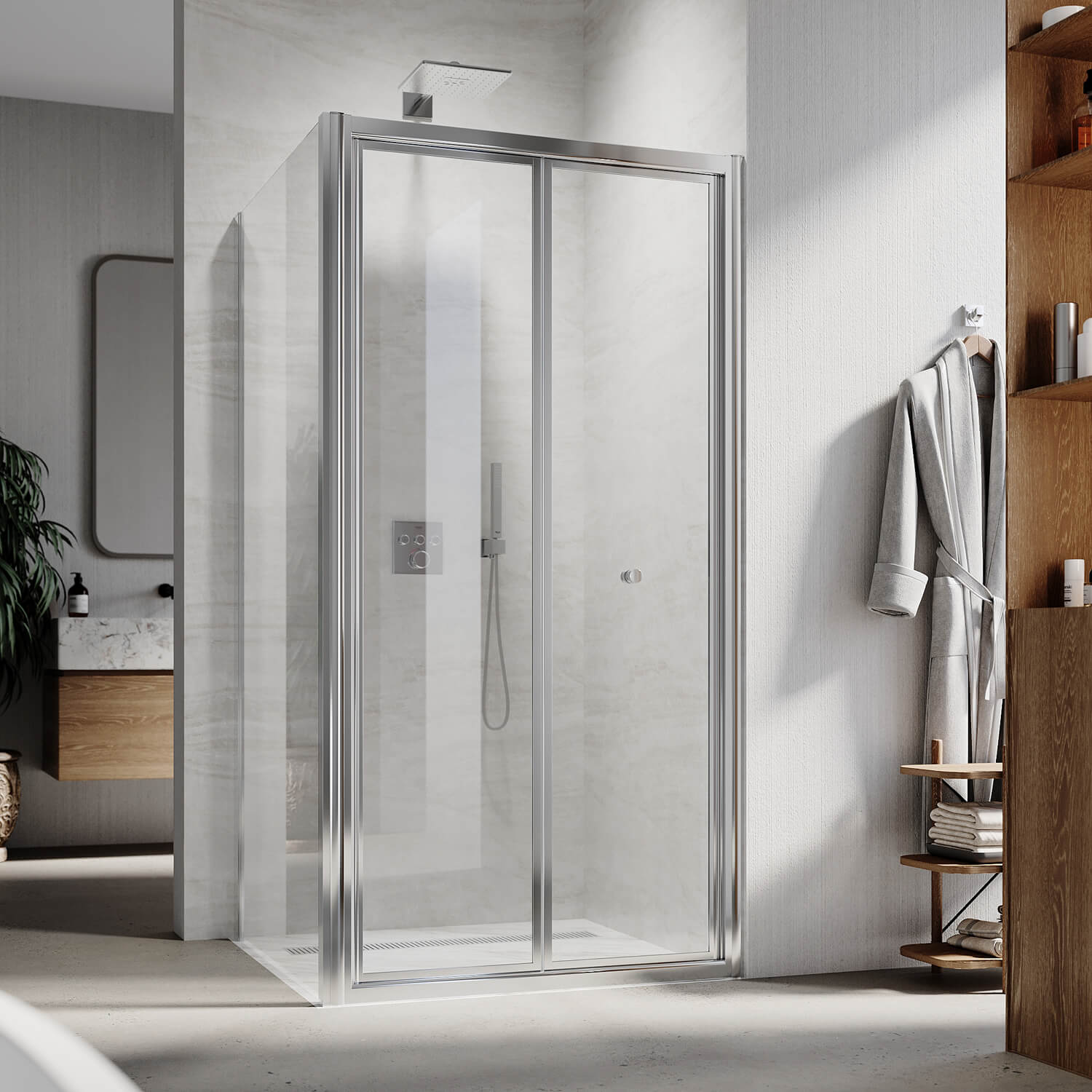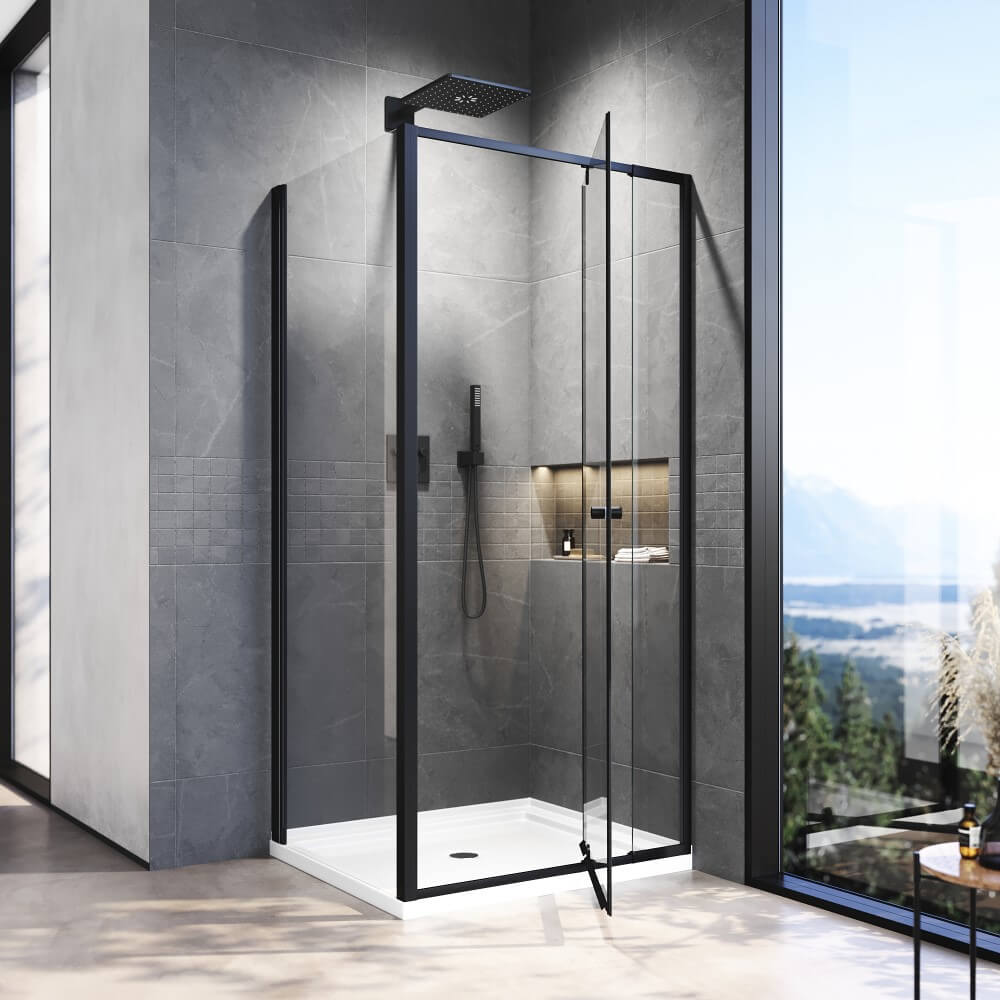

The great Australian bathroom renovation is a project of passion, precision, and significant investment. As you flip through design magazines or scroll through Pinterest, one of the most fundamental decisions you will face is what lies underfoot in the shower. It is the heart of the wet area, and the choice between a prefabricated shower base (often called a shower tray or pan) and a custom-built tiled shower floor is more than just aesthetic. It impacts your budget, your timeline, the long-term maintenance, and the very structural integrity of your home.
For homeowners in Melbourne, Sydney, Brisbane, or Perth, this decision must also align with strict Australian Standards for waterproofing. So, how do you choose? We have analyzed the top search results and expert advice from across the country to bring you a definitive comparison. Whether you are after a quick renovation or a bespoke design, this guide will help you decide which foundation is right for your dream bathroom.

What is a Shower Base (or Shower Tray)?
A shower base is a pre-moulded, factory-manufactured unit. It arrives on site as a single, solid, and inherently waterproof piece. The materials used vary significantly in quality and price. In the Australian market, you will commonly find:
-
Acrylic: The most popular choice for its glossy finish, warmth underfoot, and affordability.
-
Fibreglass: A budget-friendly option, though it can be prone to flexing and wear over time.
-
Resin: A high-end, heavy material that mimics the look and feel of natural stone, offering excellent durability.
-
SMC (Sheet Molding Compound): A composite material known for its incredible strength and rigidity, often used in commercial settings but increasingly popular in high-end residential builds.
What is a Tiled Shower Floor?
A tiled shower floor is a built-on-site construction. It is a custom engineering project disguised as a beautiful surface. It is not just tiles on a floor; it is a multi-layered system involving:
-
The Screed Bed: A layer of sand and cement (screed) is laid and shaped to create the precise fall to the drain, ensuring water doesn't pool.
-
The Waterproofing Membrane: A critical, legally required layer of liquid or sheet membrane applied over the screed to protect the structure below. This must comply with AS 3740.
-
The Tiles: The final aesthetic layer, which can be porcelain, ceramic, natural stone, or mosaic.
The Great Debate: Shower Base vs. Tiled Shower Floor
To make an informed decision for your Australian bathroom renovation, we must put these two contenders head-to-head across the factors that matter most. This isn't just about looks; it's about how they perform under the unique conditions of Australian homes, from the humidity of Brisbane to the variable temperatures of Melbourne and the sandy soils of Perth.
Material Comparison and Aesthetics: From Practical to Palatial
The visual and tactile impact of your shower floor sets the tone for the entire bathroom. It is the surface you will feel beneath your feet every single day, and it frames the entire showering experience.
Shower Base Materials: A Spectrum of Choice
Modern shower bases have undergone a remarkable evolution, shedding their reputation as purely utilitarian, white plastic fixtures. Today, the Australian market offers a spectrum of materials catering to every budget and design sensibility.
-
Acrylic: This remains the workhorse of the industry, and for good reason. High-quality, vacuum-formed acrylic bases offer a glossy, non-porous surface that is warm to the touch—a welcome feature on a cold winter morning in Canberra or Hobart. They are reinforced with fibregaster and resin for structural integrity. Modern acrylic bases are no longer limited to basic white; they are widely available in a range of contemporary colours and subtle matte finishes, including dove grey, almond, and soft beige, allowing them to integrate more seamlessly with modern bathroom colour palettes.
-
Fibreglass: Often the most budget-conscious option, fibreglass bases are made from layers of glass fibre matting and resin. While they serve a purpose for low-budget renovations or rental properties, they are generally less rigid than acrylic. Over time and with heavy use, they can be prone to flexing, which can eventually lead to stress cracks or the breakdown of the gel coat surface. They are best considered a short-term or low-traffic solution.
-
Resin (or Solid Surface): This is the premium choice for homeowners seeking the look and feel of natural stone without the associated maintenance. Resin bases are typically a composite of minerals, acrylic polymers, and pigments, cast into a dense, heavy, and incredibly durable unit. They feel solid and substantial underfoot, with no hollow sound or flex. Their key aesthetic advantage is the ability to mimic materials like marble, limestone, or concrete with stunning realism. Matte finishes are standard, providing a sophisticated, tactile surface that resists showing water spots and soap scum. Brands like Clark and Reece offer extensive ranges of resin trays that are highly sought after in high-end Sydney and Melbourne renovations.
-
SMC (Sheet Molding Compound): Common in Europe and gaining traction in Australia, SMC is a high-strength composite material used in the automotive and aerospace industries. It is exceptionally rigid, durable, and resistant to impact and chemicals. SMC bases have a high-quality, dense feel and are often thinner than acrylic or resin bases, which can be an advantage when matching floor levels for a low-profile or hobless (step-free) shower entry.
-
Metal: For a truly distinctive, industrial-chic aesthetic, stainless steel or aluminium shower bases are an option. Popular in minimalist, contemporary designs, they offer a completely non-porous, hygienic, and incredibly durable surface. They can be fabricated to custom sizes and often feature a textured or embossed pattern for slip resistance. While they can be prone to showing water spots in hard water areas, their unique look makes them a statement piece.
Tiled Shower Floor Aesthetics: The Art of the Bespoke
If your design ambition is a bathroom that feels like a cohesive, seamless sanctuary, a tiled shower floor is the only path. It elevates the shower from a functional wet area to an integral part of the room's architecture.
-
Unmatched Design Versatility: The ability to choose from thousands of tiles is the primary draw. You can achieve a seamless look by carrying the same large-format porcelain tiles from the bathroom floor, up the walls, and into the shower, creating an uninterrupted visual flow that makes a small bathroom feel significantly larger. This continuity is the hallmark of modern luxury design.
-
Material and Texture Options: The tactile experience is vastly different. You can choose the cool, polished elegance of marble, the warm, earthy feel of travertine, the industrial edge of concrete-look porcelain, or the intricate detail of handcrafted ceramic tiles.
-
Pattern and Detail: This is where a tiled floor becomes art. You can use mosaic sheets on the floor itself—small hexagons, penny rounds, or square mosaics—which not only look beautiful but also provide excellent slip resistance (a high P rating) by offering numerous grout lines for grip. For a bold statement, you can create geometric patterns, herringbone layouts, or feature strips. The only limit is your imagination and your tiler's skill.
-
The Grout Consideration: It is crucial to remember that with great beauty comes great responsibility. The grout lines, while adding visual texture and slip resistance, are also the area's most vulnerable component. However, with the selection of modern epoxy grout, you can mitigate many of the traditional downsides of grout, such as staining and mould growth.
Installation Complexity: DIY vs. Licensed Trades and Timelines
Understanding the installation process is crucial for managing your renovation timeline, your stress levels, and your legal obligations in Australia.
Shower Base Installation: The Epitome of Efficiency
This is the easy and fast route. The process is streamlined and predictable.
-
Timeline: In many cases, a new base can be installed and made ready for tiling or screen installation in a single day. This speed can shave a week or more off your overall renovation timeline.
-
DIY Potential: For a confident DIYer with basic carpentry and plumbing knowledge, preparing the subfloor (ensuring it is level and stable) and placing the base in a bed of mortar is manageable. However, a critical legal caveat exists across Australia: a licensed plumber must legally connect the waste pipes. While you can place the base, the final connection and testing must be done by a professional.
-
The Process:
-
Preparation: The old shower is demolished, and the subfloor is inspected, cleaned, and levelled.
-
Mortar Bed: A layer of dry-pack mortar is laid down.
-
Placement: The base is carefully placed into the mortar, checked for level (it must be perfectly level, as the internal slope is pre-moulded), and pressed down firmly.
-
Connection: The plumber connects the waste outlet.
-
Finishing: The walls are lined, and the joint between the base and the wall is sealed with silicone.
-
-
Result: Minimal site disruption, no waiting for screed or membranes to cure, and a clear path for the rest of the renovation.
Tiled Shower Installation: A Symphony of Trades
This process requires expertise, patience, and meticulous coordination. It is a multi-stage project that cannot be rushed.
-
Timeline: A full tiled shower installation, from bare studs to finished floor, will take anywhere from 5 to 10 days, depending on the size and complexity. This includes significant waiting periods for materials to cure.
-
The Detailed Process:
-
Substrate Preparation: The floor structure is reinforced if necessary. A cement sheet or fibre-cement board is installed on the walls and floor.
-
Screeding (The Fall): This is the most critical structural step. A tradesperson mixes sand and cement and lays it on the floor, carefully shaping it to create a precise slope—a fall of approximately 1:80 (or 1.5cm per metre)—that directs every drop of water towards the drain. This requires immense skill to get perfectly smooth and even.
-
Waterproofing Application: Once the screed is cured (usually 24-48 hours), the licensed waterproofing applicator applies the membrane. This involves priming the surfaces, applying the liquid membrane or laying the sheet membrane, and reinforcing corners, angles, and penetrations (like the drain) with waterstop tape. This layer must be perfectly applied. It is then left to cure for another 24-48 hours.
-
Inspection: In many council areas, the waterproofing must be inspected before tiling begins.
-
Tiling: Finally, the tiler arrives. They apply adhesive and lay the tiles, ensuring they follow the fall of the screed. Cutting tiles precisely around the drain requires artistry. After the adhesive cures, the grout is applied and sealed.
-
-
Key Takeaway: A shower base simplifies the renovation, while a tiled floor is a complex project that demands skilled, licensed trades for a compliant, watertight, and beautiful result.
Durability and Ongoing Maintenance: The Long-Term Reality
Once the renovation is done and the tools are put away, you have to live with the result. How do these options hold up under the daily assault of water, soap, and cleaning products?
Shower Base Pros & Cons: The Low-Maintenance Champion
The biggest advantage of a base is its low maintenance nature.
-
Pros:
-
Non-Porous Surface: Being a single, factory-finished unit, the surface is non-porous. This means soap scum and dirt have nothing to grip onto, making it exceptionally easy to clean with a simple squeegee and mild cleaner.
-
Hygienic: With no grout lines, there are no harbours for mould, mildew, or bacteria to take root.
-
Leak Resistance: A high-quality, properly installed base has minimal leak risk because it is a single, factory-sealed unit with only two potential leak points: the drain connection and the wall joint.
-
-
Cons:
-
Flex and Cracking: Cheaper fibreglass or thin acrylic bases can flex under heavy weight. Over years, this movement can cause stress cracks in the corners or at the drain, leading to leaks.
-
Surface Damage: Acrylic can be scratched by abrasive cleaners or discoloured by harsh hair dyes and chemicals. While minor scratches can sometimes be buffed out, deeper damage is permanent.
-
Repairability: This is the biggest downside. If a base cracks or is severely stained, repair is difficult. Patching is rarely successful or aesthetically pleasing, often requiring full replacement, which is a major demolition job.
-
Tiled Shower Floor Pros & Cons: Beautiful but Demanding
A tiled floor offers a premium feel but demands a commitment to upkeep.
-
Pros:
-
Solidity: A properly screeded and tiled floor feels rock-solid and luxurious underfoot. It does not flex or bounce.
-
Durability: Porcelain and natural stone tiles are incredibly hard and durable. If properly installed, the floor will last for decades. If a single tile cracks, it can often be chiseled out and replaced (provided you kept spare tiles from the original batch).
-
-
Cons:
-
Grout: The Weak Point: This cannot be overstated. Standard cementitious grout is porous and acts like a sponge. It is prone to staining, absorbing soap scum, and harbouring mould and mildew. This requires regular cleaning with a stiff brush and appropriate cleaners.
-
Maintenance: Grout needs to be sealed periodically (every 1-2 years) to maintain its water resistance. If neglected, it can deteriorate, crack, and allow water to penetrate behind the tiles, leading to waterproofing failure.
-
The Solution - Epoxy Grout: For a premium renovation, strongly consider epoxy grout. It is non-porous, stain-resistant, and highly resistant to mould and chemicals. It does not need sealing. While it is more expensive and harder for tilers to apply, it virtually eliminates the main maintenance headache of a tiled shower.
-
-
Maintenance Verdict: Shower bases are the undisputed winners for low maintenance and ease of daily cleaning. Tiled floors require regular upkeep but reward you with a premium, solid feel and timeless beauty.
The Verdict: Which One is Right for Your Renovation? (Conclusion)
After weighing all the factors, the "right" choice depends entirely on your personal priorities. Here is a clear guide to help you decide.
Choose a Shower Base if:
-
You are working within a tight budget or renovating a rental or investment property where cost control is paramount.
-
You need a quick renovation with minimal disruption to your household.
-
Low maintenance is your top priority, such as for a busy family bathroom or a second bathroom used by guests.
-
You are renovating a small apartment or a bathroom with a standard-sized, rectangular or square layout that a pre-made base will fit perfectly.
Choose a Tiled Shower Floor if:
-
Your priority is custom design, aesthetics, and creating a seamless, luxurious look that matches the rest of your home.
-
You are investing in a high-end renovation and want to add value to your property, appealing to future buyers.
-
You have an odd-sized or non-standard shower space, such as a large walk-in shower or a unique shape, that a pre-made base won't accommodate.
-
You prefer the solid, stable feel of stone or tile underfoot and are willing to invest the time in maintaining the grout lines.
Making this decision is a significant step in your renovation journey. Once you've weighed the pros and cons of shower bases versus tiled floors, the next step is finding the perfect foundation for your project. If you've decided that a prefabricated shower base or shower tray aligns with your need for efficiency, budget, and low maintenance, you'll need a reliable supplier with quality options. For a comprehensive range of high-quality shower trays, screens, and related solutions, we invite you to explore the collection at Elegant Showers. With their extensive online catalogue, fast Melbourne metro delivery, and commitment to value, they are an excellent resource for Australian renovators. Visit https://www.elegantshowers.com.au/ to browse their latest designs and find the perfect base to bring your bathroom vision to life.