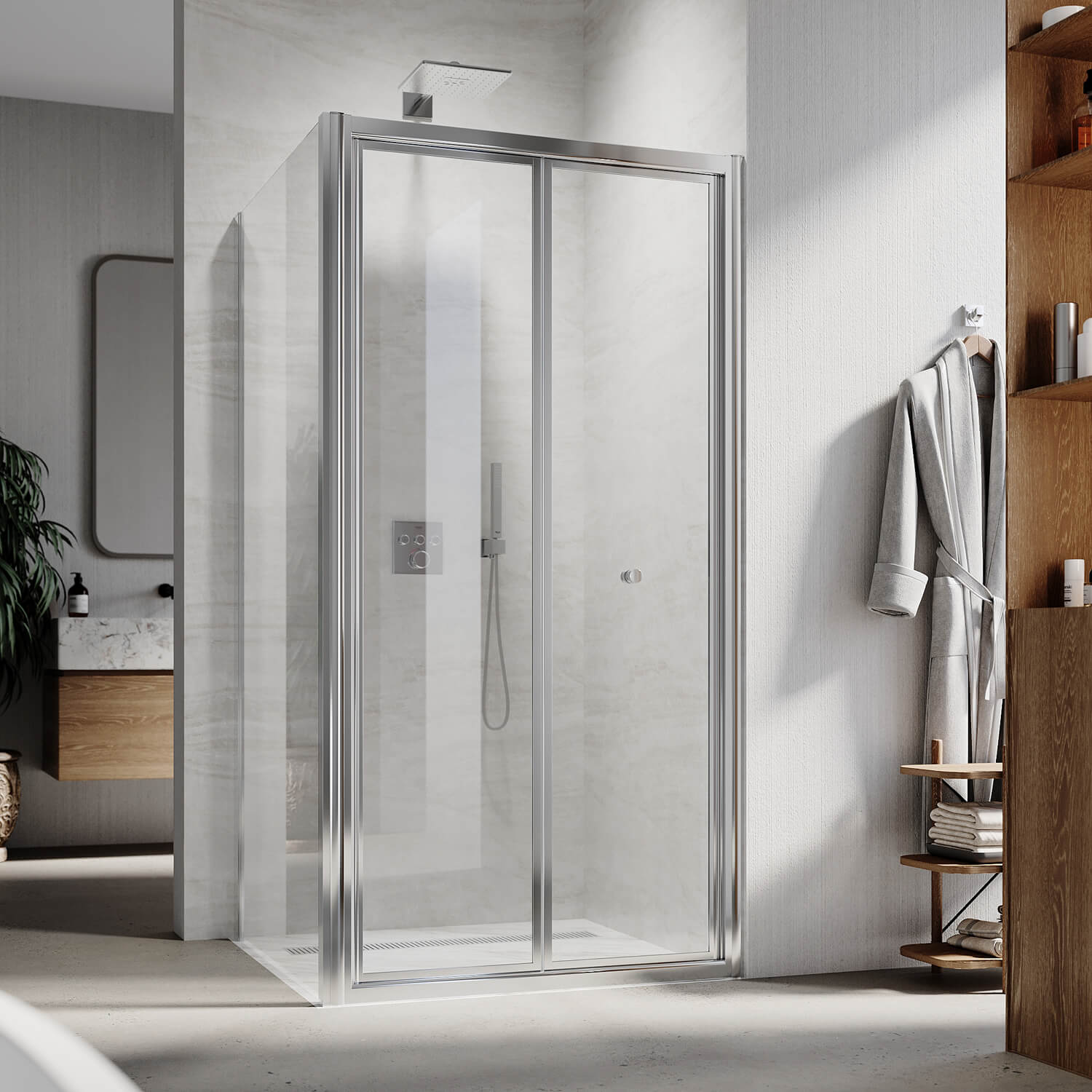

There's something deeply satisfying about tackling a home renovation project yourself. For Australian homeowners, the allure of saving thousands on labour costs while adding personal value to the property is hard to resist. When it comes to bathroom renovations, installing a pre-formed shower base seems like the perfect DIY entry point—how hard can it be to drop a tray into place and connect a few pipes?
Here's the reality check: a poorly installed shower base is one of the most common causes of structural rot, termite infestation, and mould growth in Australian homes. What starts as a $200 budget-saving exercise can quickly become a $2,000 insurance nightmare.
This comprehensive guide cuts through the confusion. We'll walk you through the exact steps involved in installing a prefabricated shower base, explain the critical importance of complying with AS 3740 waterproofing standards, and—most importantly—tell you exactly when you must swallow your pride and call a licensed plumber according to Australian regulations.
Whether you're in Sydney, Melbourne, Brisbane, or Perth, the rules are clear. Let's explore what you can legally do yourself and where the line between DIY hero and insurance liability truly lies.

The Legal Landscape in Australia: Can You Legally Do It Yourself?
Before you pick up a single tool, you need to understand that bathroom renovations in Australia sit at the intersection of DIY enthusiasm and strict regulatory control. The question isn't just "can I install a shower base myself?"—it's "what parts can I legally do myself?"
The Great Divide: Plumbing vs. Waterproofing
Australian building regulations draw a sharp distinction between structural installation and plumbing connections. This is where most DIYers get caught out.
The Physical Installation (DIY-Friendly):
Placing the shower base, preparing the mortar bed, and levelling the tray are tasks that homeowners can legally perform in every Australian state. There's no law preventing you from positioning the base itself.
The Plumbing Connection (Strictly Licensed):
Here's the non-negotiable truth: connecting the waste outlet to the drainage system must be done by a licensed plumber. In NSW, Victoria, Queensland, Western Australia, and every other jurisdiction, the Plumbing Code of Australia explicitly restricts drainage work to qualified tradespeople.
Waterproofing: The Grey Area
Waterproofing application exists in a regulatory grey zone. Technically, a homeowner can apply waterproofing membrane in some states. However—and this is a massive however—the work must still comply with AS 3740 (Waterproofing of wet areas). If your waterproofing fails and causes structural damage, your insurance company will demand compliance certificates. Without them, your claim is likely void.
The Insurance Reality Check
Let's be blunt: if you DIY the entire job without any licensed involvement and your bathroom leaks, destroying floor joists and ceiling below, your building insurance provider will almost certainly refuse to pay. They'll argue that unlicensed work caused the damage, and they're legally entitled to make that argument stick.

Understanding AS 3740: The Bible of Aussie Waterproofing
If there's one document that should live rent-free in your brain during this project, it's Australian Standard AS 3740. This isn't just bureaucratic red tape—it's the difference between a bathroom that lasts thirty years and one that fails in eighteen months.
What is AS 3740?
AS 3740 sets out the minimum requirements for waterproofing wet areas in residential buildings. It covers everything from material standards to application methods and height requirements. Any waterproofing work in your shower must comply with this standard, whether performed by a licensed professional or a diligent DIYer.
The Critical 1800mm Rule
Following the NCC 2022 updates, the National Construction Code now requires waterproofing to extend to 1800mm up the walls from the finished floor level. This isn't just around the shower niche—it's the entire shower area. Older homes may have waterproofing only 150mm up the walls, but if you're renovating, you must bring the bathroom up to current code.
Where the Membrane Must Go
AS 3740 is explicit: waterproofing must cover the entire floor area of the shower recess and extend at least 25mm beyond the shower screen line. It must also incorporate the shower base flange, creating a continuous watertight seal between the base and the wall membrane.
Material Compliance: AS/NZS 4858
The waterproofing membrane itself must comply with AS/NZS 4858. This ensures the material has been tested for durability, elongation, and resistance to the chemicals found in modern cleaning products. Don't assume all "waterproofing" products at the hardware store meet this standard—check the label.
DIY vs. Pro: The Cost-Benefit Analysis
Let's talk money. The decision to DIY versus hiring professionals ultimately comes down to dollars and sense—both financial and practical.
The DIY Savings
Licensed plumbers and waterproofers charge between $80 and $120 per hour in most Australian capital cities. A full bathroom installation might involve 10-15 hours of trade labour. By handling the physical installation yourself, you're potentially saving $1,000 to $1,500 in labour costs.
The Hidden Costs of DIY
However, DIY isn't free. You'll need:
-
Fast-set mortar mix ($20-$30)
-
Waterproofing membrane and primer ($100-$200)
-
Application tools (notched trowel, mixing paddle, etc.)
-
Neutral cure silicone ($15-$20 per tube)
-
Potential tool hire if you lack equipment
If you make a mistake—like an unlevel base requiring removal and replacement—you're paying for materials twice.
The Value of a Professional
A licensed plumber brings more than tools:
-
Speed: They complete the drainage connection in under an hour
-
Warranty: Their work comes with professional indemnity
-
Compliance: You receive a compliance certificate for insurance purposes
-
Trade discounts: Many plumbers can source materials cheaper than retail

Step-by-Step: How to Install a Pre-Formed Shower Base (The DIY Part)
Alright, you've decided to tackle the physical installation yourself. Here's exactly how to do it right.
Step 1: Preparation and Inspection (The Dry Fit)
Before mixing anything, test-fit the shower base.
Check the Subfloor Level:
Place a long spirit level across the floor where the base will sit. If the floor is out of level by more than 3mm over the base width, you'll need self-levelling compound. A level subfloor is non-negotiable—an unlevel base leads to standing water and premature failure.
Mark the Drain Location:
Position the base and mark exactly where the waste outlet sits. This is critical because the drain connection below must align perfectly. You cannot "fudge" plumbing connections.
Step 2: Preparing the Substrate (The Mortar Bed)
This step separates professional installations from DIY disasters.
Why Mortar is Essential:
Shower bases are designed to be fully supported. When you set a base only on its edges—supported by blobs of adhesive—the centre flexes under weight. This flexing cracks tiles, breaks grout, and eventually cracks the base itself.
Mixing the Mortar:
Use fast-setting mortar mixed to a "stiff" consistency—think peanut butter rather than pancake batter. It should hold its shape when you form a peak with your trowel. If it's too wet, the base will sink unevenly.
Step 3: Laying the Mortar Bed
Spread the mortar evenly across the entire area where the base will sit. You want full coverage—every square centimetre supporting the base.
Setting the Base:
Lower the base carefully onto the mortar. Use a spirit level to check level in all directions. Tap down high corners gently with a rubber mallet. Work quickly—fast-set mortar gives you about 15-20 minutes of working time.
Critical Note: Do not walk on the base for at least 24 hours while the mortar cures.
Step 4: Installing the Waste Outlet (The "Phone a Friend" Moment)
Here's where you stop and call the professional.
The Licensed Work:
The physical connection of the P-trap and waste pipe to the drainage system must be done by a licensed plumber. They will ensure the connection meets plumbing standards, doesn't leak, and complies with council requirements.
Your Role:
Once the plumber has connected the drainage, you can apply a bead of neutral cure silicone around the flange where the drain meets the base. This provides an additional seal, but the primary water seal is the plumber's responsibility.
Step 5: Sealing and Curing
After the mortar has fully cured (minimum 24 hours, preferably 48), run a neat bead of neutral cure silicone along:
-
The joint where the base meets the walls
-
The joint where the base meets the floor
-
Any corners or changes in plane
Neutral cure silicone is essential—acetic acid cure silicones (the ones that smell like vinegar) can degrade waterproofing membranes over time.
When You Absolutely Must Call a Licensed Plumber
Let's create a clear checklist. If any of these situations apply to your project, stop DIY and call the professional.
Moving the Drain
If your new shower base drain doesn't align with the existing waste pipe, you cannot move it yourself. Cutting into the subfloor, relocating pipes, and reconnecting drainage requires a licensed plumber. Period.
Connecting to Sewer
Any work on the "upstream" side of the trap—the part connected directly to the sewer system—requires a license. This includes:
-
Installing new P-traps
-
Extending waste pipes
-
Connecting to the stack
Gas Hot Water Systems
If your bathroom renovation involves relocating a gas hot water system or moving gas pipes, this requires both plumbing and gas licences. Gas work by unlicensed individuals is illegal and deadly dangerous.
Certification Requirements
In many Australian jurisdictions, bathroom renovations require a compliance certificate from the local council or private building surveyor. Only licensed plumbers and waterproofers can issue these certificates. Without them, you cannot legally sell the property without disclosing unlicensed work.
Conclusion: The Smart Approach to DIY Shower Installation
So, can you install a shower base yourself in Australia?
Yes—but not entirely.
The smart, compliant, and safe approach is this:
-
Do the prep work yourself. Remove the old bathroom, prepare the subfloor, and ensure the space is ready.
-
Hire a licensed plumber for the rough-in. Let them position the waste pipe exactly where it needs to be.
-
Install the base yourself. Mix the mortar, set the base, and achieve perfect level.
-
Hire a licensed plumber for the final connection. They connect the waste, test for leaks, and provide the compliance certificate.
-
Waterproof carefully. Either do it yourself to AS 3740 standards or hire a licensed waterproofer—but ensure you get certification.
This hybrid approach saves you money on labour while ensuring the critical, regulated components are handled by professionals. Your bathroom will pass inspection, your insurance will remain valid, and you'll enjoy the satisfaction of a job well done.
Ready to choose the perfect foundation for your bathroom renovation? Whether you're looking for sleek, modern prefabricated trays or need inspiration for your next project, explore a wide range of high-quality options at Elegant Showers .